Temperatures are dropping and fashions are changing. It feels like a good moment to reflect on dressing for work in the summer in Japan, before summer is a distant memory. -k
Before leaving Canada, the importance of wearing a suit was impressed upon us. Considering the reputation Japan has for suit culture, this wasn’t really surprising. The cut, the colours, the skirt length, what luggage to pack it in (your carry-on, of course!) were all covered. Although we were going to be mere assistant teachers in public schools at various levels, in this (foreign) culture teaching was an important profession and we needed to show respect to the serious role we would be taking on by wearing a suit. Perhaps after getting a feel for our workplace we could begin to wear less formal clothing. But, above all, we must be certain to wear a suit when we meet our contracting organization! This point above all was emphasized. We would never have another chance to make a good first impression.
We arrived in Japan at the beginning of August. Temperatures were around 35ºC and the humidity was high. Our prefectural advisors assured us there was no need to wear a suit to the meeting with our contracting organization. It’s just too damn hot.
I was alarmed. How could I fulfill my obligation to everyone who had prepared me in Montreal if I didn’t do the thing they had said to do above all else?
I approached the prefectural advisor and explained my reservations on the matter. Perhaps, he suggested, the alumni in Montreal were speaking from pre-Fukushima experience. The loss of the nuclear plants in 2011 due to the tsunami had created a strain on the national energy supply and this had changed the importance of “cool-biz”.
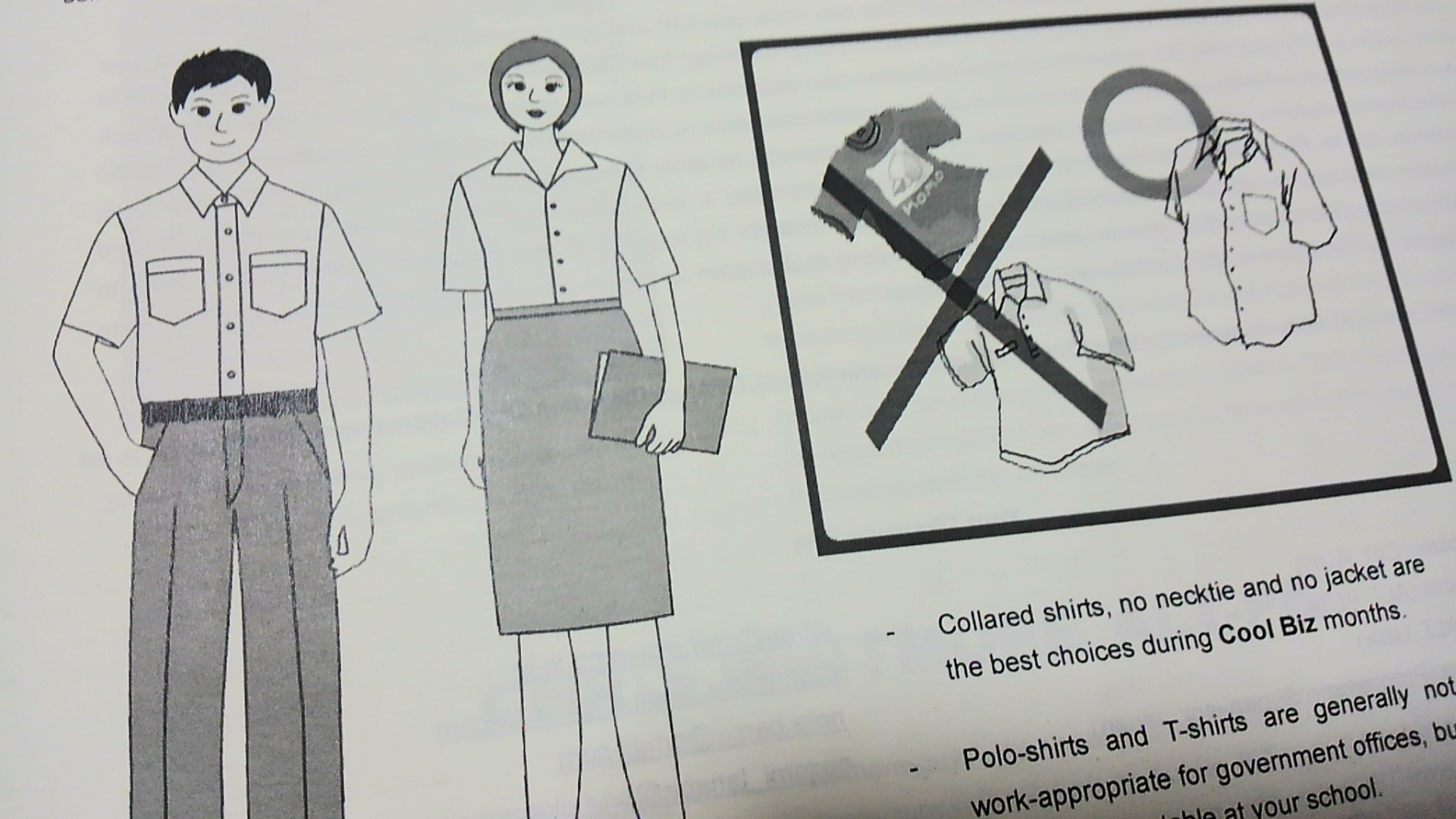
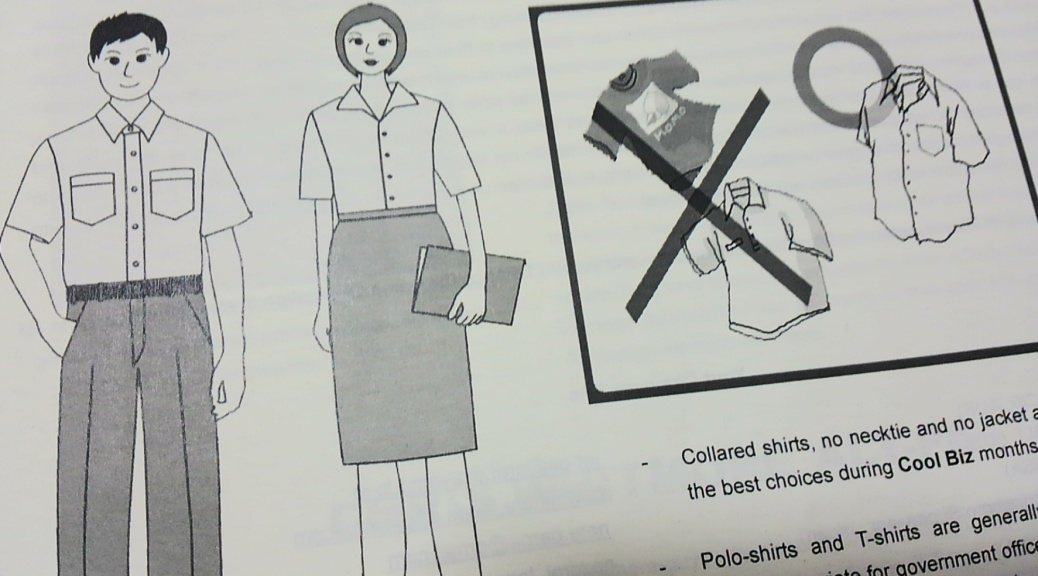
Of course, I had read about cool biz. It is an approach to energy conservation that encourages business men (and ladies) to wear short sleeved shirts without a jacket or tie and in exchange, the use of air conditioners is reduced. I believe similar policies have been introduced in Canadian federal government workplaces. Cool biz had been around in Japan before 2011, but after the disasters it took on a new importance (the government even introduced “super cool biz” in response).
What I wasn’t aware of was how dressing in cool biz was taken to be a personal duty by many people to help alleviate the to the difficulties the nation was facing. As such, even the governor would be dressed in cool-biz, the prefectural advisor assured me. And he was right. There was not a jacket to be seen in the prefectural government office when we met the governor in August.
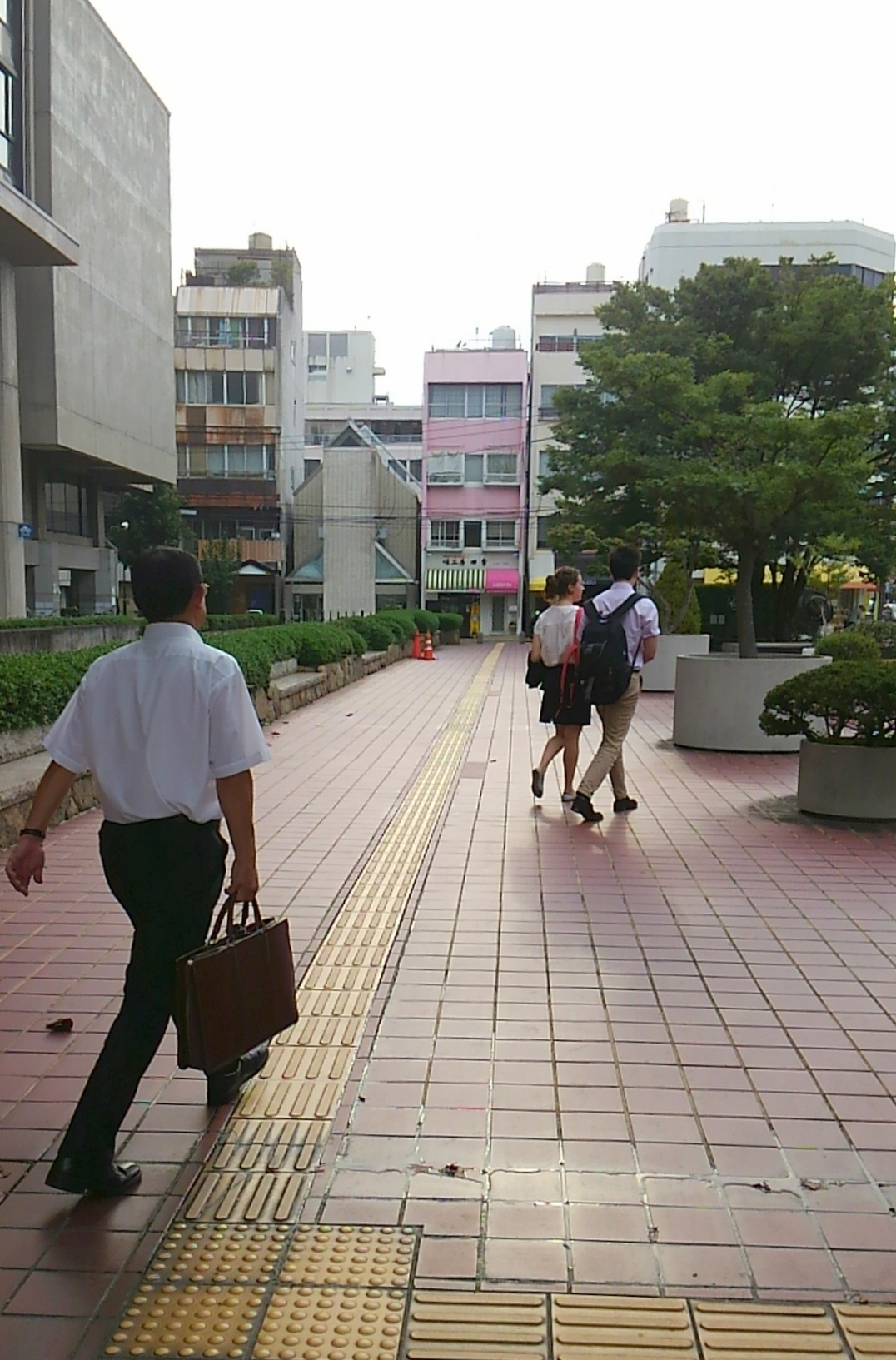
Our prefecture has other ways of contributing to the energy shortage: by harnessing certain natural advantages. Okayama is the prefecture with “the most days with less than 1mm of rain” in the country. In more poetic terms, it is known as “the land of sunshine” (hare no kuni). This good for the regional fruit industry and astronomical observatories. It also makes solar energy a smart investment. I came to this conclusion based on the fact that there are solar panels everywhere. You can even purchase solar panels at the local home centers.
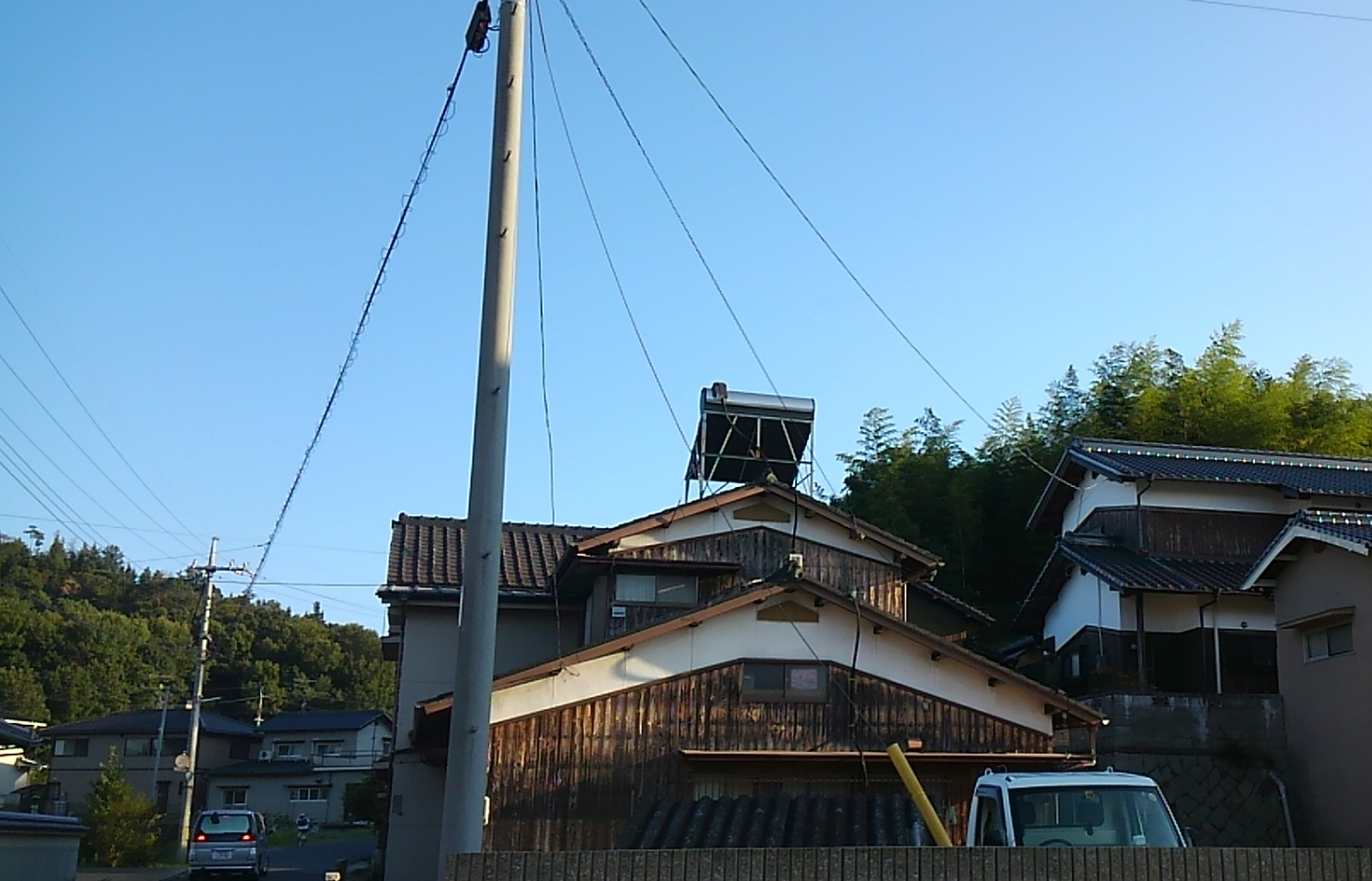
Companies that have installed solar panels even have ways of showing just how much energy has been / is being produced. I’m not exactly sure what this one is for (does it power the astronomical observatory?), but my bank displayed similar information in their waiting area. It seems like these displays are used to show how the company is contributing to the recovery effort i.e. being good citizens.
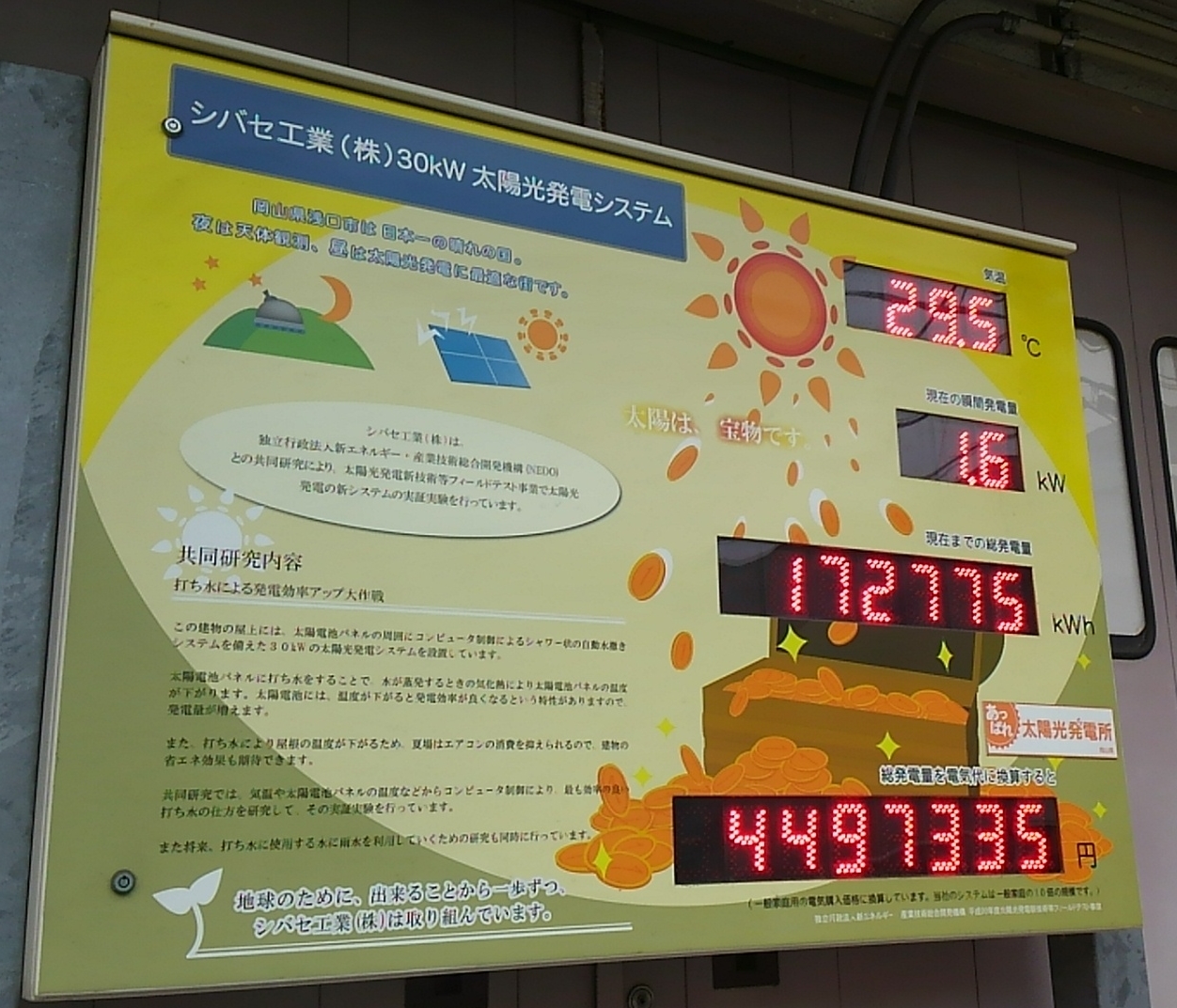
In this post I hoped to link two seemingly different phenomenon– workplace dress codes and solar panels– as responses to the same issue: strained energy supply. Of course there are economic benefits to both in the form of lower energy bills. But what has made them interesting to me is how these actions are also part of a collective social response to the natural disasters. Canada has so few natural disasters, but Japan has such a variety that have such devastating impacts (in the two months since I arrived heavy rains caused a fatal landslide in Hiroshima and many people died following the volcanic eruption of Mt Ontake). It is only natural that responding to these events is also embedded in Japanese culture, and I believe the social value placed on cool biz and solar energy reflect this.