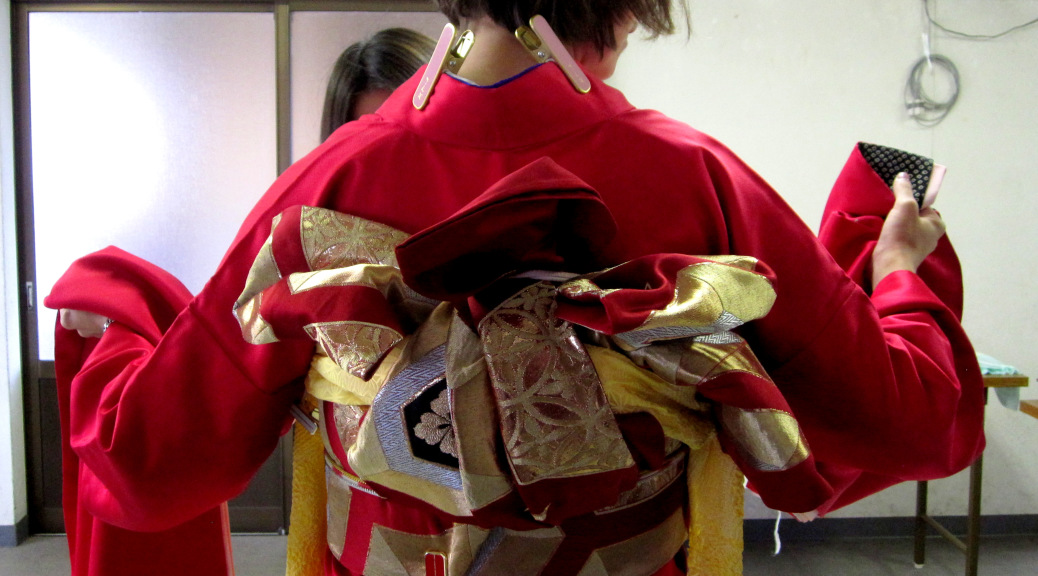
I think most people are familiar with the kimono. The design looks rather simple: a long straight robe with flowing sleeves, a wide flat belt.
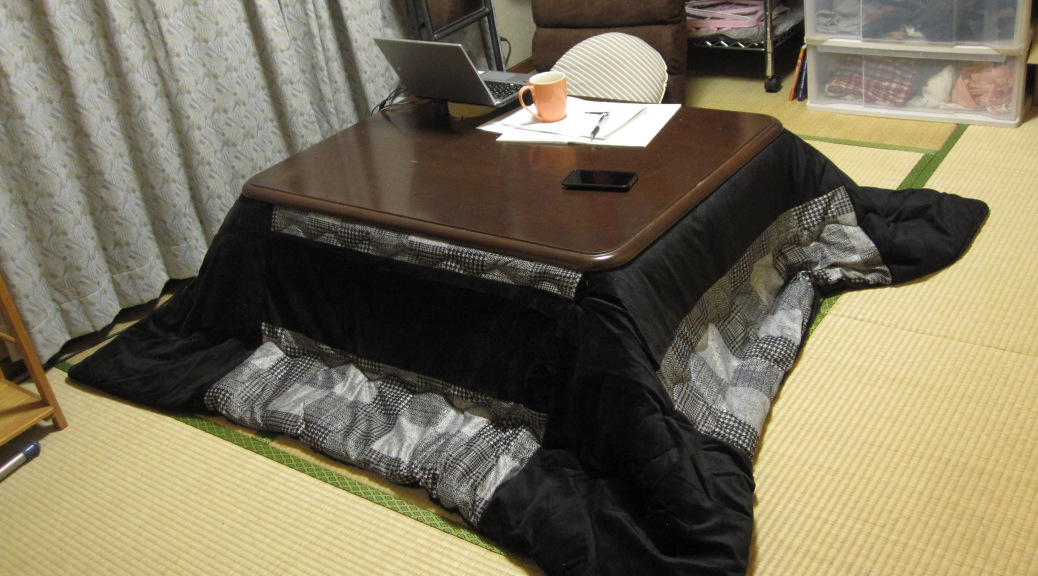
“The kotatsu is a place which we all love
By request, this is a post about kotatsu. While learning the “that/which” conjunction, my students taught me about many Japanese things. The example in their textbook (New Crown 3) describes a kotatsu:

Yorishima fish festival
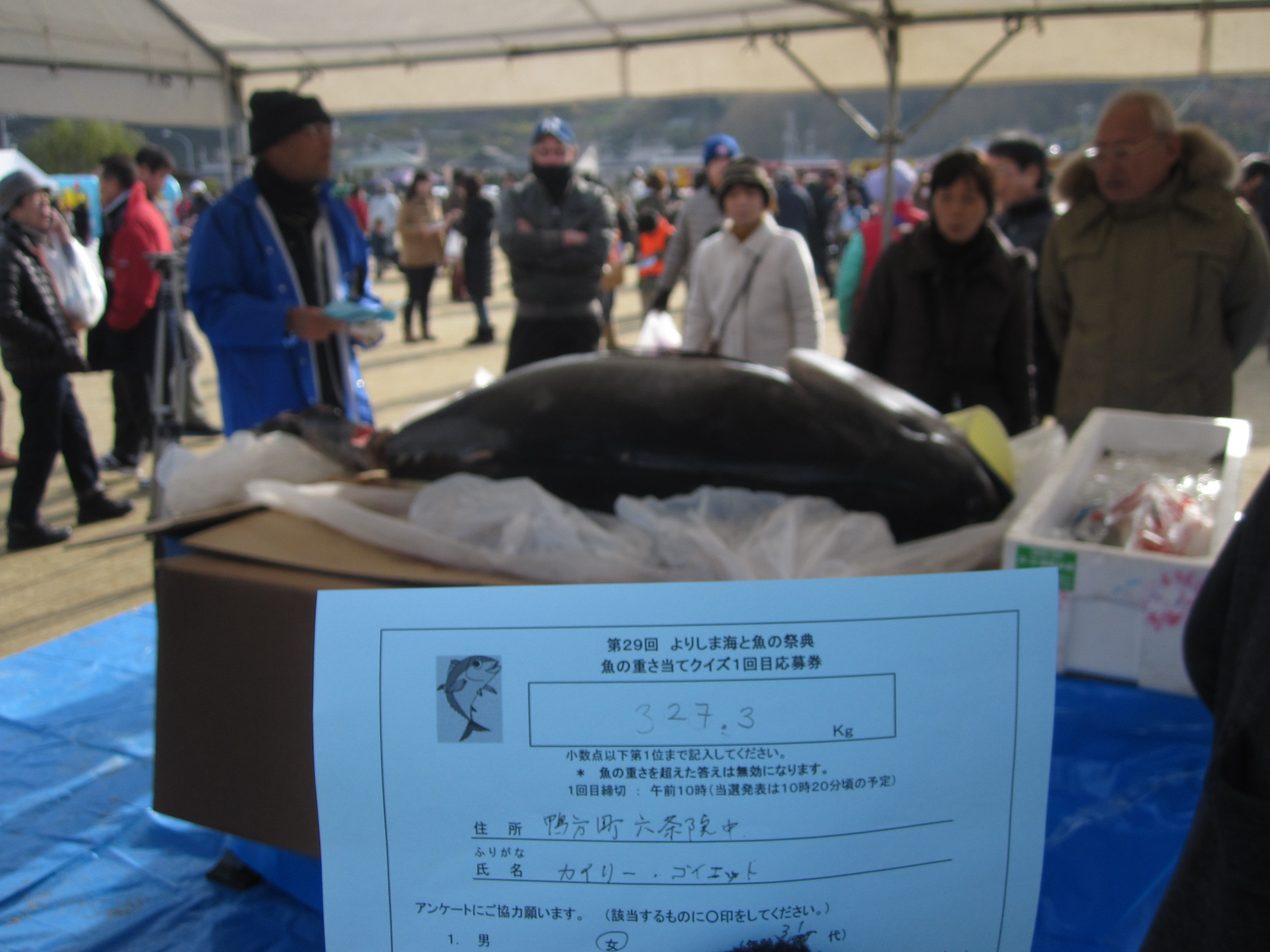
At the Yorishima fish festival this morning there was a tuna weight quiz. I think my guess was a little high….
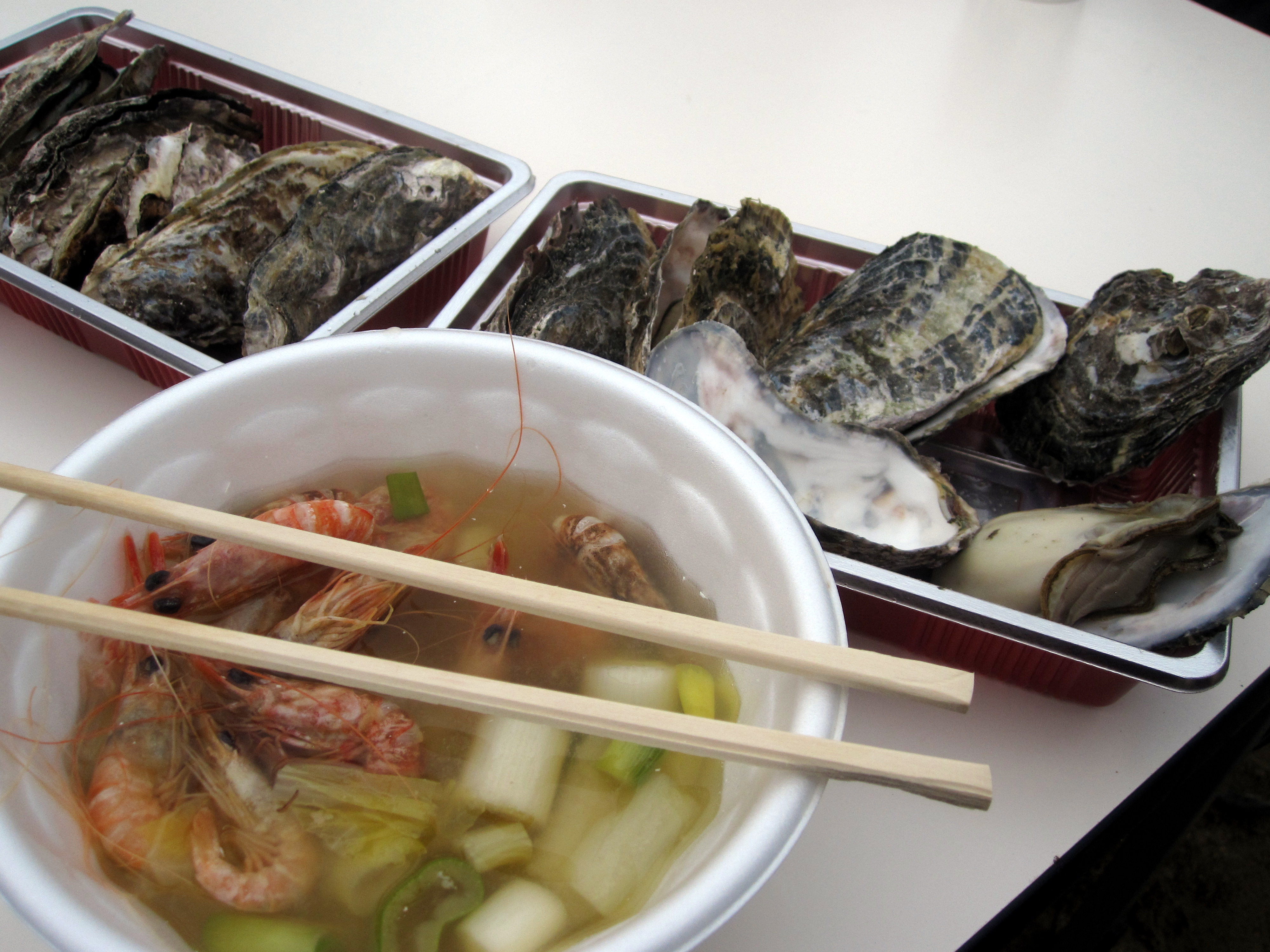
Tuna isn’t a regional specialty, though. That honour goes to oysters. Interestingly, persimmons and oysters are both called kaki in Japanese (with different inflection which I can never remember).
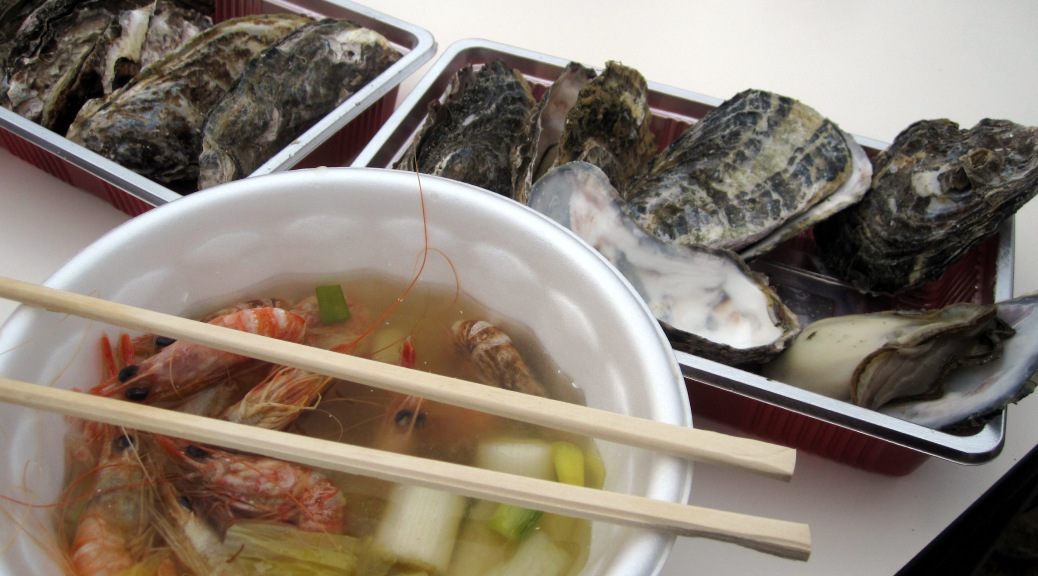
The idea of eating seafood before lunch is still a little strange to me, but this was the purpose of the event. My friend went to wait in line for the oysters while J and I lined up for the most sought after soup, which was mainly leeks with big crab legs sticking out.
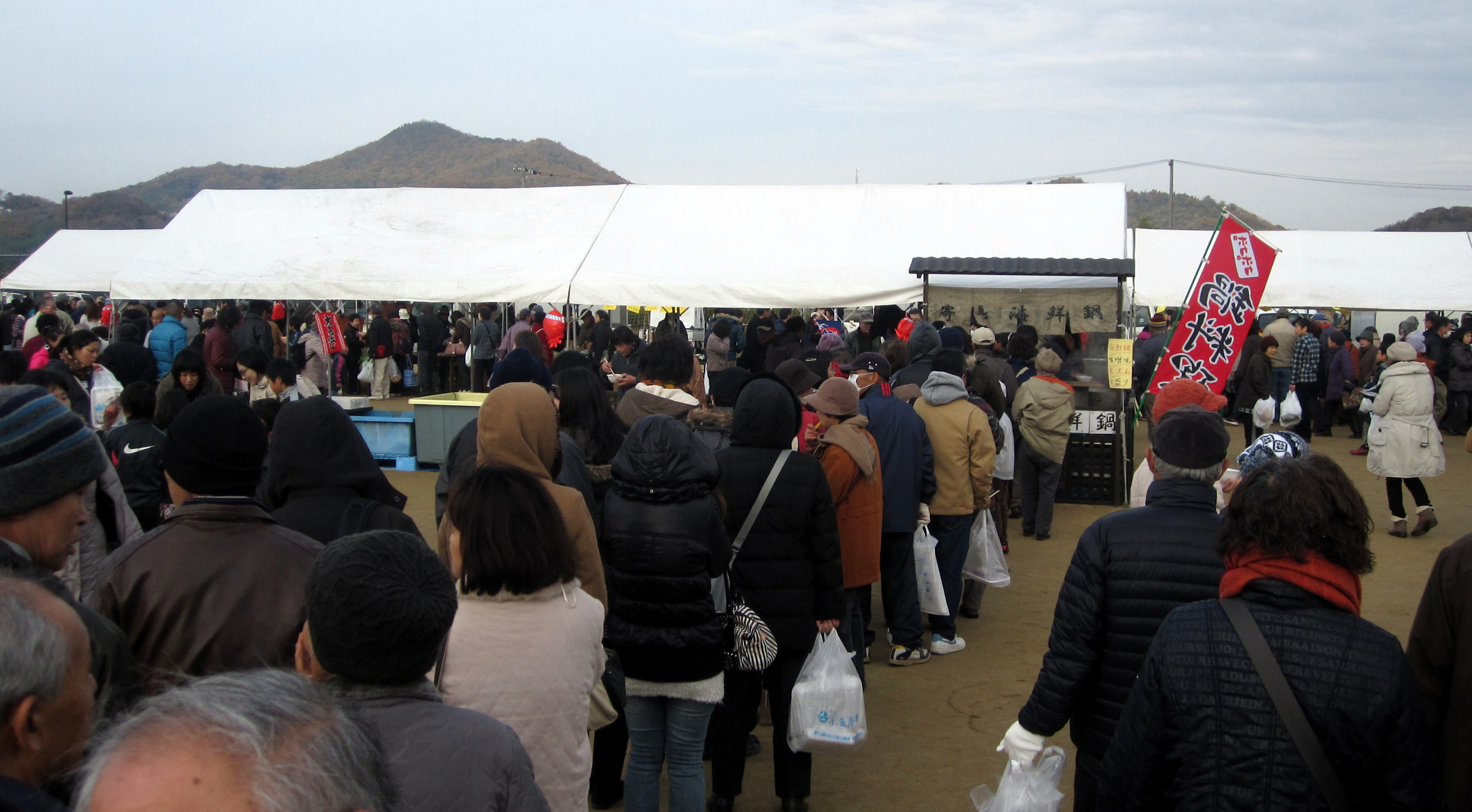
While we were waiting in the line, a man came by “selling” chopsticks. In fact, he was collecting payment for the soup, and the chopsticks were the proof of purchase. Once we got to the front we would simply show the chopsticks and the transaction was complete.
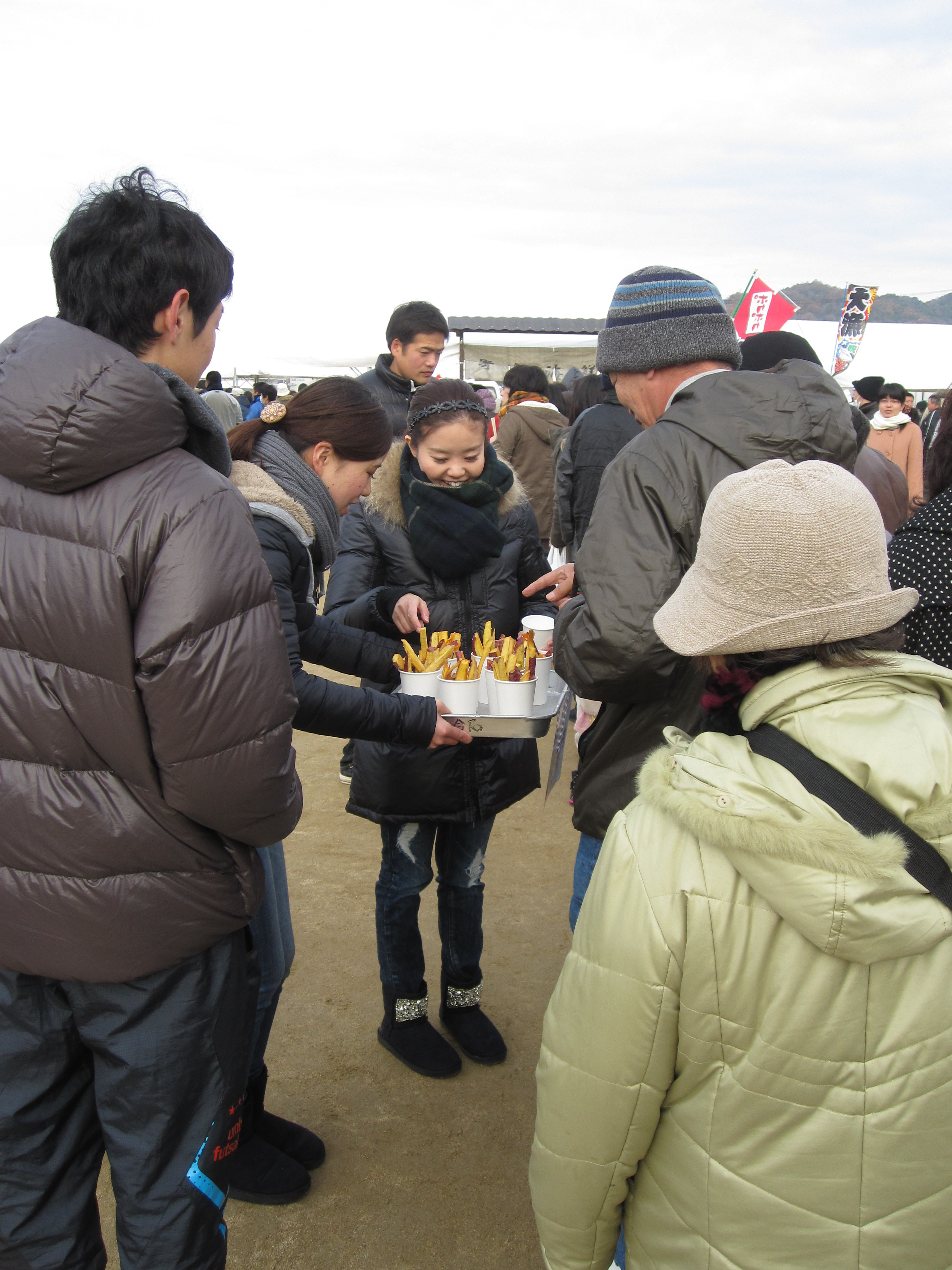
But just before we got the the front of the line, there was an announcement : they were out of crab! The soup would have shrimp instead.
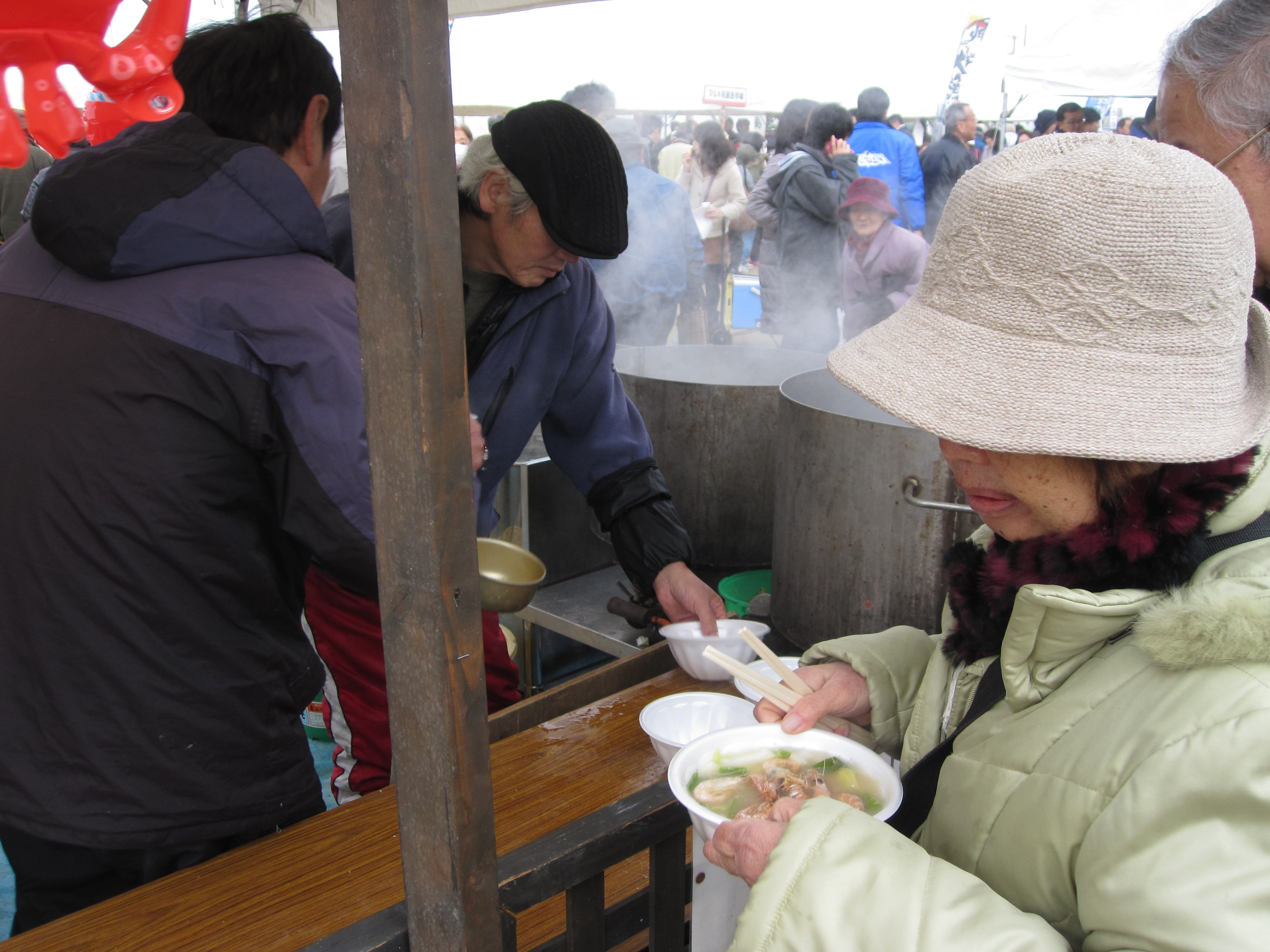
Perhaps it was a blessing in disguise, however, as the shrimp could actually be eaten whole (yes…. whole…. crunch crunch) whereas the crab might have been a struggle. We talked with many people at this festival and were amazed to discover most of them came from some distance to get there. I personally met only two people from the town itself.
I was also disappointed that our mascot, Konko manjuu, did not make an appearance. Shame on him, it wasn’t even raining! Maybe he is allergic to shellfish.
Stamps
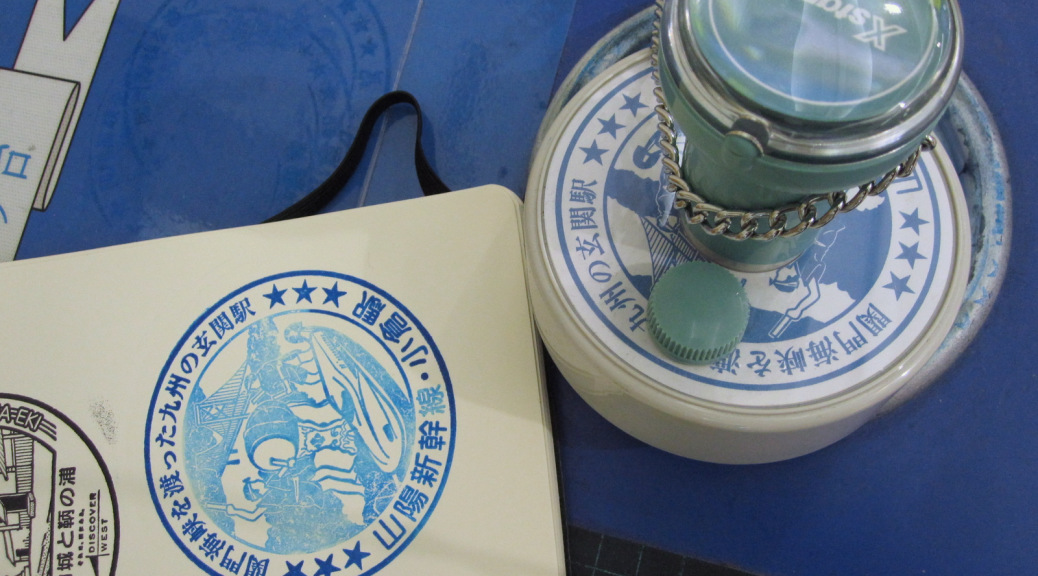
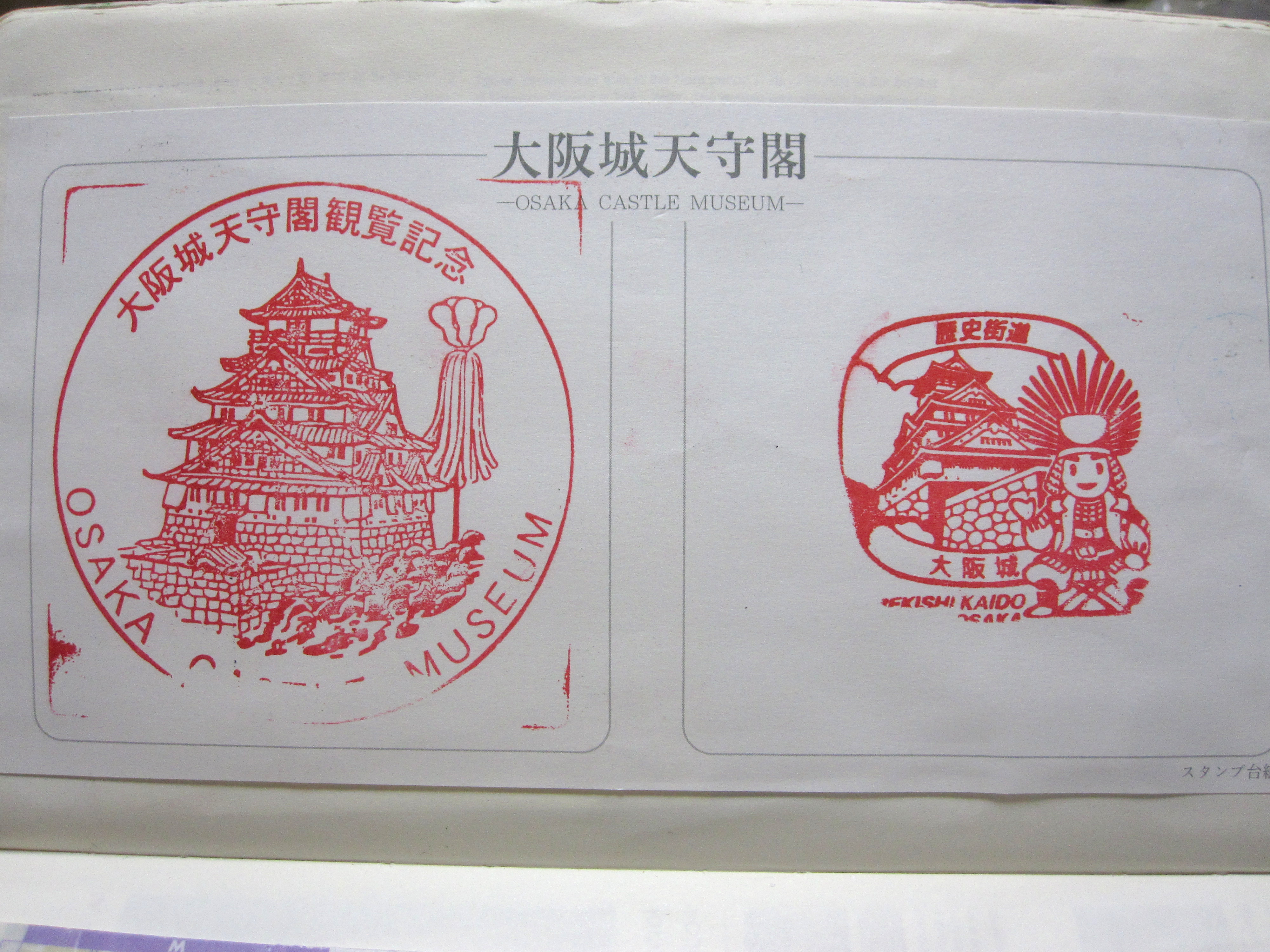
It was pointed out to me that I have not posted about stamps. I am not talking about postage stamps (kitte in Japanese), but ink stamps (generally just called stanpu スタンプ). I warn you, this post may seem very nerdy, but I hope it will help explain why I love stamps so much.
I discovered stamps by accident last year, on the first day of our vacation. We were at Osaka Castle and there was clearly some kind of school trip there at the same time. The kids were flocking around a small table.

November
Hello, again.
So it has been over a month since my last post. Here are some things that have happened since then:
– visited friends (and owls) in Kita-Kyushu/Fukuoka
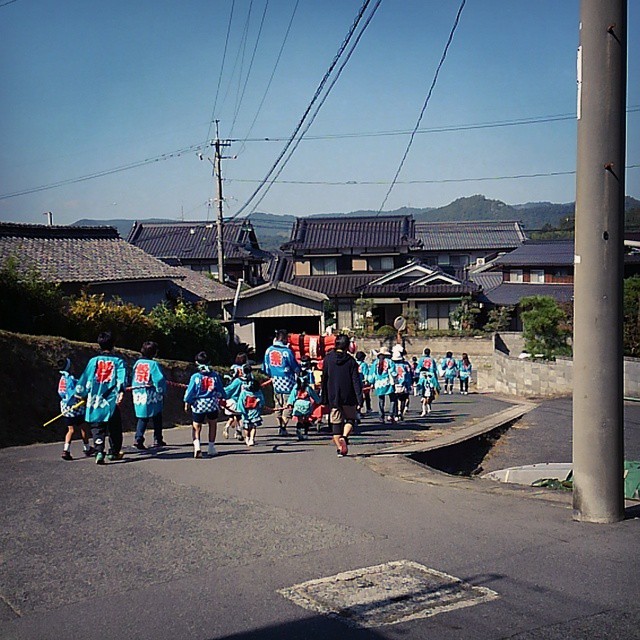
– attended the Daimyo procession in Yakage
– English speech contest (I coached them and looked on while wringing my hands as my 10 students did their best!)
– JET midyear Conference
– (yet another) observation class & teacher’s workshop
– 3rd years taught me about Japanese places, things and New Year’s traditions
– bought a cover for my kotatsu (one of the Japanese things they told me about. If a table and an electric blanket had a baby, it would be a kotatsu)
– biked the Kibi trail
– attended a jazz night in a cute rustic “garage” house featuring a hilarious Buddhist priest guitarist/singer
Plus, I’ve been eating food, seeing autumn leaves, meeting people and…. trying to learn Japanese…
So I’m still alive. I’m just trying to decide what to post about next!
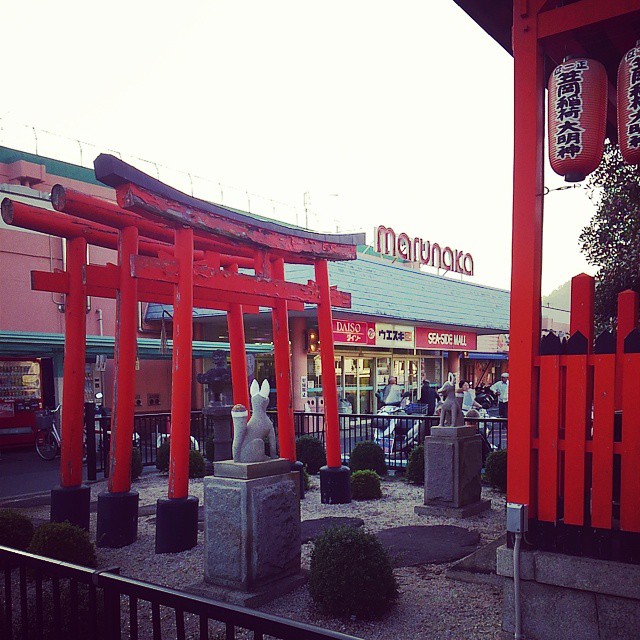
Inari shrine in the grocery parking lot #kasaoka #okayama
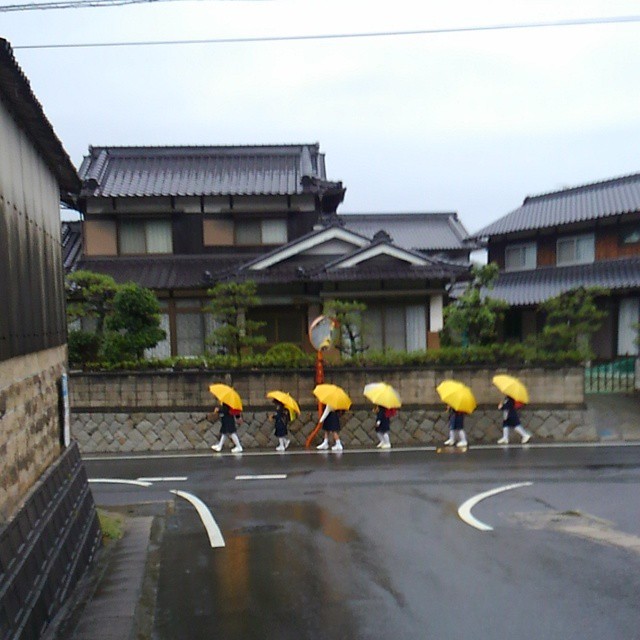
It's rainy today
Door to door blessing delivery service.
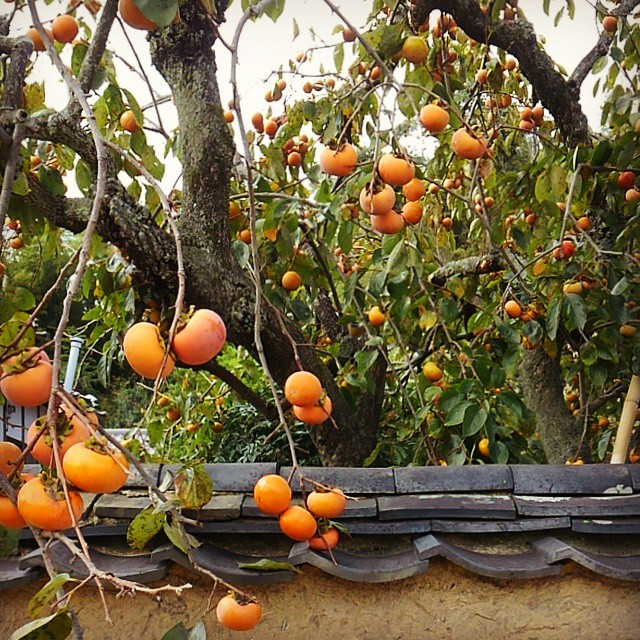
Persimmons. In season.
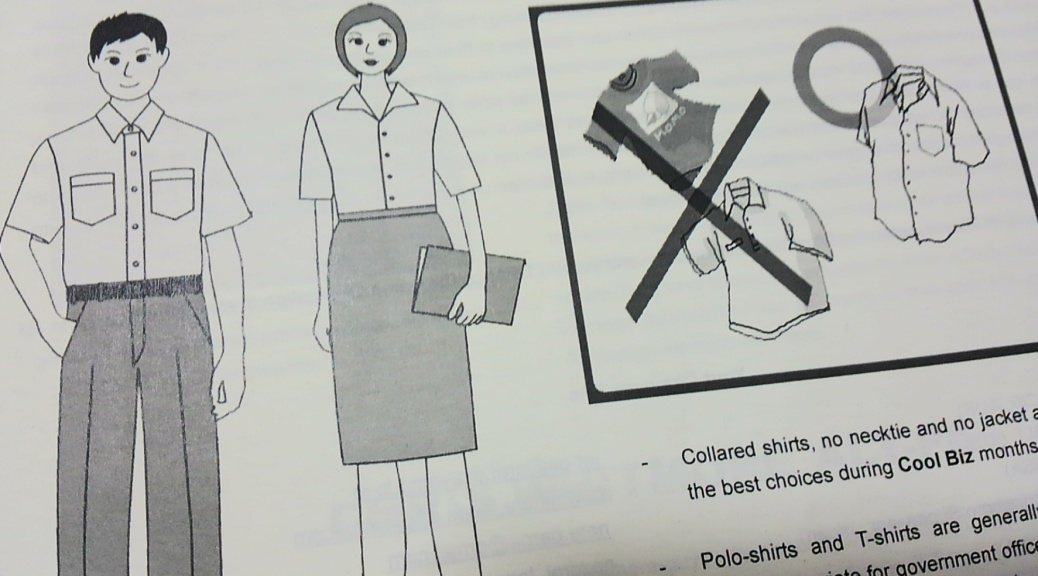
Energy policy in Japan: Seasonal fashion & solar panels
Temperatures are dropping and fashions are changing. It feels like a good moment to reflect on dressing for work in the summer in Japan, before summer is a distant memory. -k
Before leaving Canada, the importance of wearing a suit was impressed upon us. Considering the reputation Japan has for suit culture, this wasn’t really surprising. The cut, the colours, the skirt length, what luggage to pack it in (your carry-on, of course!) were all covered. Although we were going to be mere assistant teachers in public schools at various levels, in this (foreign) culture teaching was an important profession and we needed to show respect to the serious role we would be taking on by wearing a suit. Perhaps after getting a feel for our workplace we could begin to wear less formal clothing. But, above all, we must be certain to wear a suit when we meet our contracting organization! This point above all was emphasized. We would never have another chance to make a good first impression.
We arrived in Japan at the beginning of August. Temperatures were around 35ºC and the humidity was high. Our prefectural advisors assured us there was no need to wear a suit to the meeting with our contracting organization. It’s just too damn hot.
I was alarmed. How could I fulfill my obligation to everyone who had prepared me in Montreal if I didn’t do the thing they had said to do above all else? Continue reading